A Comparative Analysis of Three Leaders: Modi, Trump, and Putin – Achievements and Challenges
This article presents a balanced comparison of three world leaders — Narendra Modi, Donald Trump, and Vladimir Putin. It highlights their major achievements, key challenges, and lasting impact on their nations and the world.
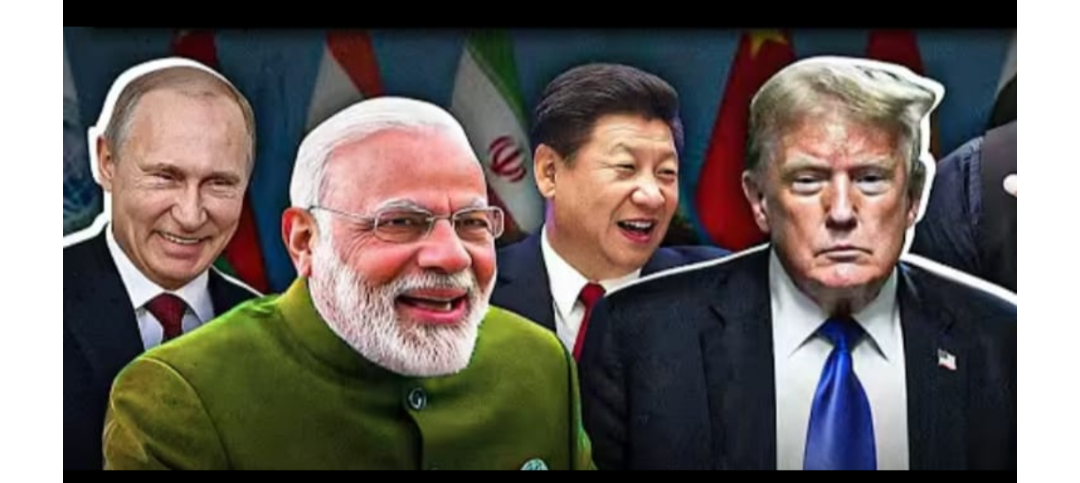
In this article, we will analyze the leadership of Narendra Modi, Donald Trump, and Vladimir Putin. Each of them has shaped their nations in unique ways. We will look at both their positive contributions and the criticisms they faced, with a balanced.
Narendra Modi — The Force of Transformation in India
Major Achievements and Positive Impact
Economic Growth
During Modi’s tenure, India became one of the fastest-growing large economies. GDP growth reached up to 7.4%, especially strong in agriculture, infrastructure, and energy sectors.
Support for Farmers
The PM Kisan Samman Nidhi provided direct financial assistance to millions of farmers. The Pradhan Mantri Krishi Sinchai Yojana introduced modern irrigation systems, helping farmers become more productive and sustainable.
Sanitation and Housing
The Swachh Bharat Mission eliminated open defecation by building millions of toilets. This major step improved public health and hygiene.
The housing scheme (Pradhan Mantri Awas Yojana) approved over 4.2 crore houses, with a target of adding 3 crore more in the next phase.
Infrastructure and Make in India
Highways, railways, airports, and waterways expanded. The UDAN scheme improved regional air connectivity.
Make in India promoted local manufacturing, attracted foreign direct investment (FDI), and improved India’s Ease of Doing Business ranking from 142 to 63.
Energy and Sustainability
The government set a target of 175 GW of renewable energy, including 100 GW of solar energy. Coal shortages were managed, and power plants became more reliable. The UDAY scheme reduced financial stress in electricity companies.
Ongoing Initiatives in 2025
Recently, Semicon India-2025 was launched to strengthen India’s semiconductor ecosystem. The number of airports increased from 74 to more than 160, expanding connectivity. Challenges and Criticisms
Not all schemes reached every corner of India equally.
Rural-urban divide and administrative hurdles slowed progress.
Long-term sustainability of energy and infrastructure remains a challenge.
Donald Trump — First 100 Days in the U.S.
Key Actions and Priorities
Executive Orders
On his very first day, Trump signed multiple executive orders—restricting immigration, withdrawing from the Paris Climate Agreement, promoting energy independence, and reversing previous policies.
These moves showed urgency and determination to change direction in U.S. policy.
Early Governance Style
His approach was fast and bold, especially in reducing government regulations and reshaping foreign policy. The first 100 days were marked by attempts to show immediate action and power.
Unfinished Promises and Limitations
Many executive orders were symbolic and faced legal challenges.
Promises like reducing energy bills or major healthcare reforms did not show quick results.
Congress and the courts often blocked or slowed down his decisions, raising questions about the long-term impact of his policies.
Vladimir Putin — 15 Years of Change in Russia
H3: Shaping Russia’s Image and Power
From Chaos to Stability
When Putin came to power, he brought political stability to a nation that was facing disorder after the fall of the Soviet Union. Over time, however, Russia became more isolated internationally, facing sanctions and rivalries.
Centralized Power and Control
Putin suppressed opposition voices, controlled media, and reduced political freedom. Elections often showed extremely high results in his favor, raising doubts about transparency.
Constitutional Amendments
A 2021 law allowed him to remain in power until 2036. This extended his influence and centralized authority for decades.
Foreign Policy and War
Russia’s invasion of Ukraine changed its global image. Western nations imposed sanctions, while Putin strengthened ties with countries like North Korea. The economy suffered, though short-term growth appeared due to military spending.
Criticism and Internal Discontent
Human rights violations and suppression of free speech have been widely criticized.
State-sponsored propaganda campaigns shaped public opinion but weakened democracy.
Long-term economic uncertainty and international isolation remain major challenges.
Comparative Summary
Leader Key Achievements Challenges / Criticisms
- Modi Economic growth, sanitation, housing, energy, infrastructure Unequal implementation, rural-urban divide
- Trump Quick executive orders, bold policy shifts Limited long-term results, legal obstacles
- Putin Stability, central authority, foreign strategy Democratic decline, human rights issues, sanctions
Conclusion
- All three leaders—Modi, Trump, and Putin—had strong impacts on their nations.
- Modi focused on development, infrastructure, and social welfare, but faces challenges in equal distribution and sustainability.
- Trump acted quickly with executive orders, but struggled to create lasting impact.
- Putin brought stability and power to Russia, but at the cost of democracy and international trust.
- Leadership always comes with both achievements and criticisms. These three leaders remind us that power can transform a nation, but its use defines whether the change is truly positive or not.
- People Also Ask
- Q1: What are the major achievements of Narendra Modi as Prime Minister of India?
- A: Narendra Modi focused on economic growth, sanitation through Swachh Bharat Mission, housing schemes, renewable energy, and infrastructure expansion under initiatives like Make in India and UDAN.
- Q2: What did Donald Trump accomplish in his first 100 days?
- A: Donald Trump signed several executive orders, including immigration restrictions, withdrawal from the Paris Agreement, and energy reforms. However, many promises faced legal and political challenges.
- Q3: How has Vladimir Putin changed Russia in his leadership?
- A: Putin centralized power, brought political stability, and strengthened Russia’s global presence. At the same time, he faced criticism for human rights issues, limiting democracy, and the Ukraine conflict.
- Q4: What are the similarities between Modi, Trump, and Putin?
- A: All three leaders showed strong decision-making and focused on reshaping their nations’ policies. However, each faced criticism regarding execution, inclusiveness, or democratic values.
- Q5: Why is comparing Modi, Trump, and Putin important?
- A: Comparing them helps understand how leadership styles impact governance, international relations, and public welfare across different political systems.