India–Pakistan Military Clash of May 2025: The Full Truth of Operation Sindoor, China’s Covert Role & the Weapons Game
May 2025 will be remembered as a turning point in South Asian geopolitics—a month when a seemingly controlled tension suddenly escalated into a near-war situation. India and Pakistan, two nuclear-armed neighbors with a long history of mistrust, were pulled into a sharp four-day military confrontation that the world later referred to as “Operation Sindoor.”
May 2025 will be remembered as a turning point in South Asian geopolitics—a month when a seemingly controlled tension suddenly escalated into a near-war situation. India and Pakistan, two nuclear-armed neighbors with a long history of mistrust, were pulled into a sharp four-day military confrontation that the world later referred to as “Operation Sindoor.”
But behind the visible conflict lay deeper geopolitical currents:
China’s strategic involvement, the real performance of Chinese weapon systems, Pakistan’s dependence on Beijing, and India’s rapid technological dominance.
This article presents a clear, human-written, deeply analyzed account of the entire episode, based on open-source intelligence assessments, defence journals, satellite analysis reports, and statements from official agencies.
1. How the Conflict Started: India’s Precision Strikes After the Pahalgam Attack
The trigger came on 7 May 2025, when India launched a series of precision air and missile strikes on terrorist infrastructure situated deep inside Pakistan-administered territory.
This was India’s retaliation for the Pahalgam terror attack, in which 26 civilians had lost their lives.
New Delhi issued a simple, firm message:
“National security is non-negotiable.”
The Indian Air Force (IAF) carried out:
- Highly selective targeting
- Minimal collateral strategy
- Low-altitude precision strikes
- Short-duration cross-border raids
India ensured that the response was strong enough to dismantle terrorist networks, yet controlled enough to prevent a full-scale war.
2. Pakistan’s Counter-Move: Announcement of Operation “Bunyan-ul-Marsus
Within hours, Pakistan initiated a counter-operation titled “Bunyan-ul-Marsus.”
Its objectives were:
- To demonstrate retaliation capability
- To target Indian military installations
- To restore “strategic balance” in perception
However, independent global defence reviews later revealed that Pakistan’s response failed to create any decisive impact.
Despite multiple attempts, Pakistani air defence and fighter platforms were able to damage only one Indian aircraft, and even that under favourable conditions.
3. China’s Entry Into the Conflict: A Hidden Power Game
This is where the conflict takes an unexpected turn.
Between late 2024 and early 2025, China had supplied Pakistan with a massive consignment of advanced military platforms:
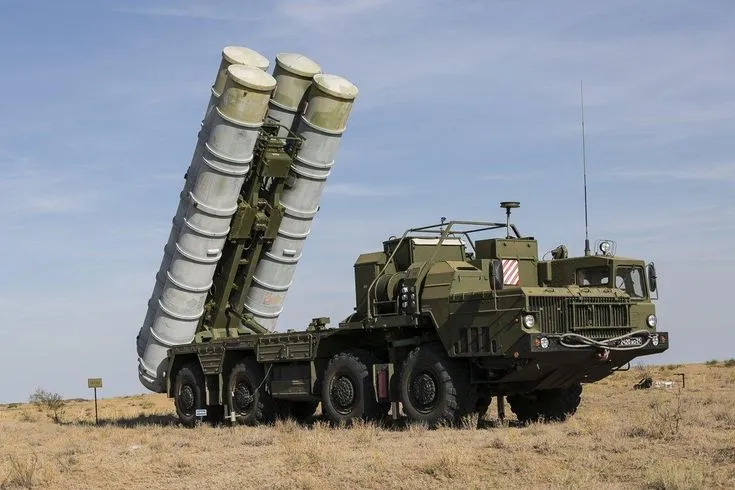
- HQ-9 Long-Range Air Defence System
- PL-15 Beyond-Visual-Range Missiles
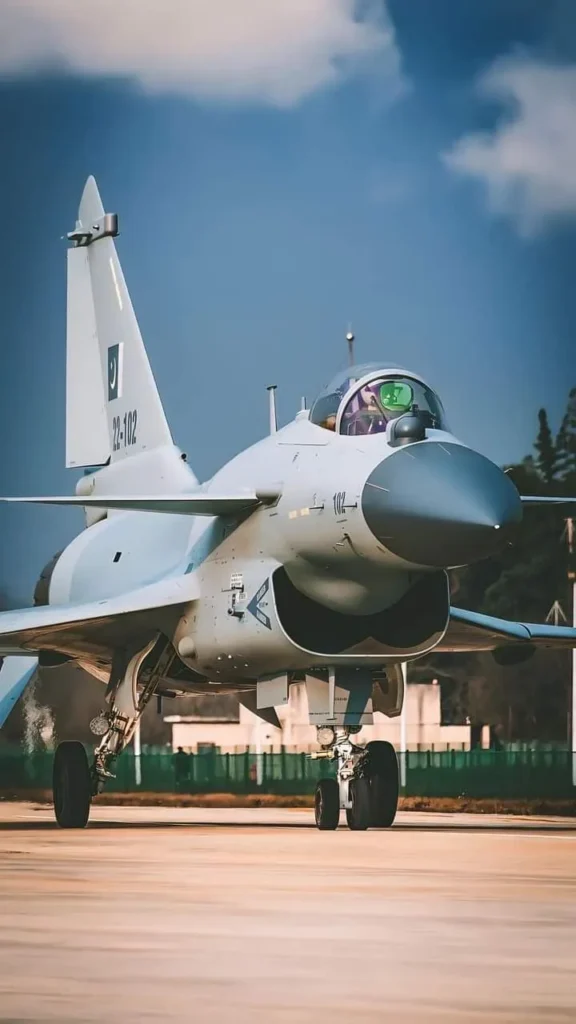
- J-10C 4.5-Generation Fighter Jets
- KJ-500 Airborne Early Warning Platform
And in June 2025, sources confirmed an even more sensitive shipment:
- J-35 Stealth Fighters
- Advanced Ballistic Missile Defence Components
Multiple Western intelligence assessments suggested that China was using the India–Pakistan clash as a live testing ground for its defence technology, attempting to showcase that its systems could match or outperform Western platforms like the French Rafale.
But what happened on the battlefield told a different story.
4. The Reality: Chinese Weapons Failed to Deliver Expected Performance
Across several engagements, Chinese systems displayed significant weaknesses:
• HQ-9 Air Defence Failed Multiple Intercepts
Pakistan’s HQ-9 batteries missed several incoming Indian precision missiles.
OSINT radar tracking reports indicated:
- Slow response calibration
- Poor tracking in mountainous terrain
- Radar lock failures under electronic warfare pressure
• J-10C Fighter Jets Underperformed
Despite China’s claims of “superior radar and BVR capabilities,” J-10Cs were unable to dominate engagements.
Issues observed:
- Weak radar reliability
- Inferior tracking range
- Slow reaction to Indian electronic warfare
• PL-15 Missiles: Overhyped and Underwhelming
The PL-15 managed to damage just one Indian aircraft in the entire conflict.
Meanwhile, India’s Meteor missiles, backed by Rafale’s superior SPECTRA EW suite, demonstrated clear technological superiority.
5. Day-by-Day Timeline of the 4-Day Conflict
Day 1 – India Launches Precision Strikes
Targets included:
- Terrorist training sites
- Storage depots
- Communication bunkers
India used Rafale, Su-30MKI, and surface-launched missiles.
Day 2 – Pakistan Retaliates
Pakistan attempted cross-border targeting using J-10C jets and long-range artillery.
Most operations were neutralized by India’s:
- Integrated Air Defence
- Long-range radars
- AWACS surveillance
Day 3 – China Activates Surveillance Support
Chinese satellites and KJ-500 aircraft provided Pakistan with real-time intelligence.
However, Indian electronic warfare blocked several data-sharing channels.
Day 4 –
On the fourth day, the fighting had to be stopped. According to some reports, Pakistan requested India to halt the conflict, while several experts believe that strong international pressure was the real reason the confrontation came to an end.”
6. Who Was Militarily Stronger? A Clear Assessment
India’s Advantages:
- Rafale + Meteor combination
- Long-range surveillance grid
- BrahMos precision capability
- Superior electronic warfare
- Strong diplomatic influence
Pakistan’s Weaknesses:
- Over-dependence on Chinese weapons
- Limited fighter versatility
- Weaker radar and EW systems
- Political instability
China’s Miscalculation
China intended to demonstrate military superiority but unintentionally exposed flaws in its:
- Missile reliability
- Radar systems
- Air defence network
7. Impact on Global Geopolitics
- South Asia moved closer to a major power-shift in India’s favour.
- China faced criticism for destabilizing the region.
- Pakistan’s defence credibility weakened.
- India emerged technologically superior.