


Explore More Articles:
- NATO, Russia & China Military Analysis 2025
- India & Russia IL-100/IL-76 Collaboration
- Charlie Kirk: Birth to Impact
- Charlie Kirk: Assassination & America Impact
- Video Trends 2025: Global Insights
- Best Countries for Higher Education 2025
- Narendra Modi: Birthday & Achievements
- America Overview: USA Facts & History
- Vladimir Putin: Biography & Global Influence
- Germany 2025: Politics, Economy & Sports
- Australia 2025: Tourism, Cricket & Education
- Thailand Cave Rescue: Miracle Story
- Mona Lisa: Mystery, Theft & Legacy
- Mona Lisa History in Hindi
Click any link to explore related posts & enhance your reading experience!
Imagine sitting down with a friend who begins to tell you a story about the world’s most powerful countries. That’s exactly what we are about to do. Let’s talk about China, Russia, India, and the USA, and understand their strengths, strategies, and influence on the global stage in a simple and clear way.
China: Economic Giant and Global Expansion
China is not just a country; it is a global powerhouse in economy and manufacturing. It produces more than 25% of the world’s manufactured goods, including electronics, cars, textiles, and mobile devices. Its GDP at Purchasing Power Parity (PPP) is over $30 trillion, which makes it the largest economy in the world by this measure. For comparison, the USA’s GDP (PPP) is about $28 trillion. China Economic Data
China’s strength isn’t just in money. President Xi Jinping has repeatedly said that China fears no one. This confidence reflects the country’s national pride and determination. China’s foreign policy focuses on trade and investment, connecting with countries across the world.
China’s Expansion Strategy

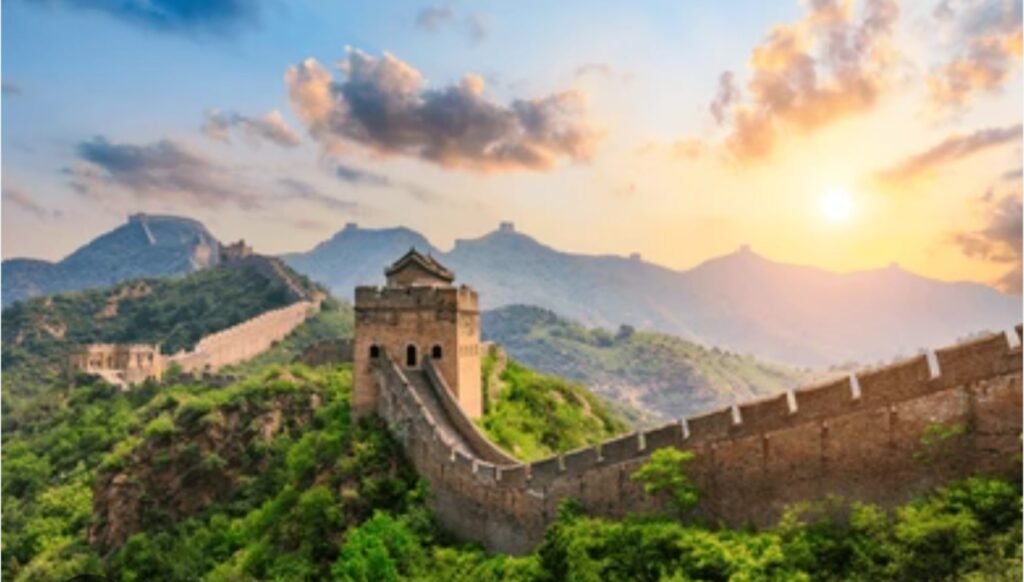
China is slowly extending its influence globally through strategic steps:
- Belt and Road Initiative (BRI): Projects in over 150 countries, including roads, railways, and ports. BRI Overview
- South China Sea: Artificial islands and military bases strengthen China’s maritime power.
- Taiwan and Hong Kong: Gradual political control and strategic pressure.
- Himalayan Region: Border management with India and neighbors.
- Africa and Latin America: Securing resources and economic influence.
China’s method is to take small steps over time, a strategy known as the Salami Slicing Strategy.
China’s Naval Power and Debt Diplomacy

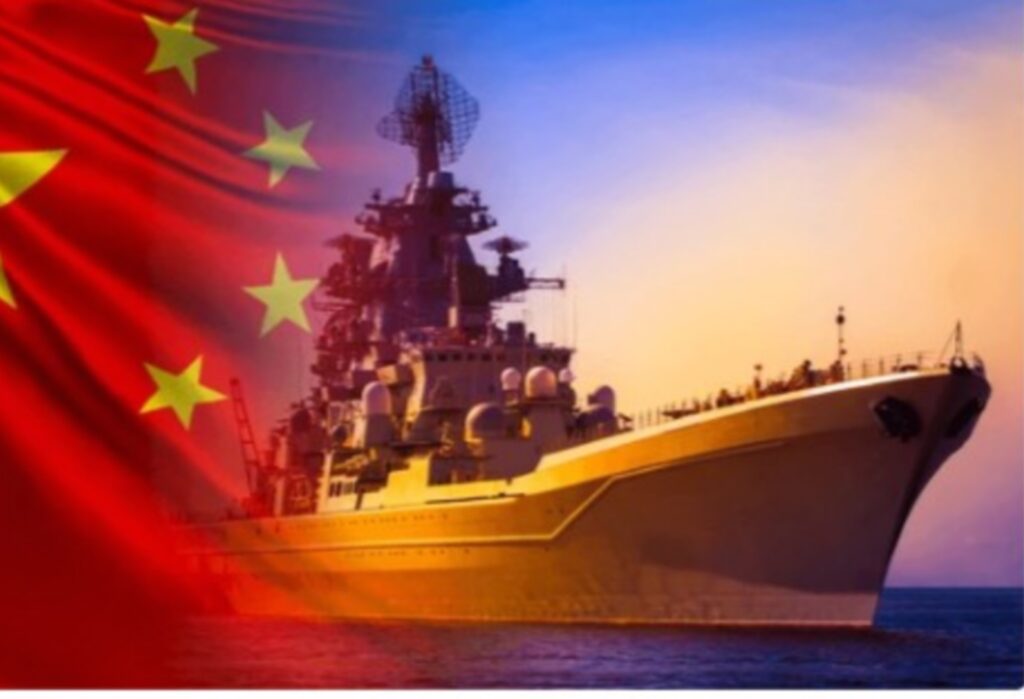
China has naval bases in Djibouti, Pakistan, Sri Lanka, and Cambodia. This is more than military presence; it is a mix of politics and economics. China lends money to countries like Sri Lanka, which gives it control over key infrastructure. This approach is called Debt Trap Diplomacy.
Russia: Energy and Military Power
Russia’s strength lies in its massive land, natural resources, and military power. It has one of the world’s most advanced weapons systems and nuclear capabilities.
Russia and China Partnership
Russia and China have a strong partnership mainly because they share opposition to Western influence:
- Russia supplies China with oil, gas, weapons, and raw materials.
- China provides Russia with funding, technology, investment, and market access.
- They complement each other’s needs—Russia has energy and military, China has economic and technological power.
- In the future, they may form a strong Eurasian Block, but they are unlikely to merge into a single country. Russia-China Relations
USA: Global Leader and Technological Giant
The USA is the most powerful country militarily, technologically, and economically. It has about 1.3 million active military personnel and more than 11 aircraft carriers, far more than China’s 2 carriers. Its GDP in 2024 is roughly $26.9 trillion.
US Strategy
- Military: Most advanced aircraft, aircraft carriers, and warships.
- Technology and Innovation: Home to Silicon Valley, leading in AI, software, and research.
- Global Influence: The US dollar is the primary reserve currency; strong role in NATO and UN.
US Relations with China and Russia
The USA is countering China’s expansion in the Indo-Pacific region through naval presence and Quad alliances. US relations with Russia are tense, with minimal military cooperation and sanctions, especially after the Ukraine conflict. US-China Relations
India: Balancing Power and Independent Policy
India plays a balancing role between China and Russia, making careful decisions to maintain its sovereignty and security.
India and China
- Border disputes and concerns over the South China Sea.
- India responds through Quad alliances and strengthening domestic defense production. India-China Relations
India and Russia
- Defense cooperation: Su-30, S-400, T-90 tanks, and nuclear energy.
- Energy and diplomatic support on international platforms.
India and USA
- count.textContentSecurity cooperation: Quad and Malabar Naval Exercises.
- Technological collaboration: Space, IT, and military tech. India-US Relations
India’s Strengths and Strategy
- Population: 1.4 billion with a young workforce.
- Fast-growing economy and strong IT and startup sector.
- Active participation in multiple international forums.
- Maintains security, economic, and diplomatic balance between powers.
The Global Chessboard: Strategies of Four Nations
- China: Economic and strategic expansion, naval power, and debt diplomacy.
- Russia: Energy and military strength, partner of China.
- USA: Global leader, technological and military supremacy, countering China and Russia.
- India: Balances power, independent strategy, active in Quad and Indo-Pacific region.
Every move, investment, and alliance can shift the global geopolitical map. The suspense is real – who will move next, who will ally, and who will step back?
China, Russia, India, and USA: Quick FAQs
China, Russia, India, and the USA: Quick FAQs
1. China’s main strengths?
- GDP (PPP): $30T+
- Produces 25%+ of world’s manufactured goods
- Growing navy & Belt and Road Initiative
2. Russia-China partnership?
- Russia → oil, gas, weapons
- China → money, tech, market
- Complement each other
3. Why USA is global leader?
- Advanced military (11 carriers)
- Technology & innovation hubs
- Strong global influence (NATO, USD)
4. India’s foreign policy?
- Balances China, Russia, USA
- Quad, Malabar exercises
- Strong defense & diplomacy
5. China’s expansion strategy?
- Belt & Road projects in 150+ countries
- South China Sea control
- Influence in Taiwan & Hong Kong
6. Debt Trap Diplomacy?
- Loans to countries for influence over key projects
- Example: Hambantota Port, Sri Lanka
7. China’s navy strength?
- Bases: Djibouti, Pakistan, Sri Lanka, Cambodia
- Modern warships & aircraft carriers
8. USA vs China & Russia?
- Indo-Pacific naval presence & Quad
- Sanctions & limited engagement with Russia
9. India’s global role?
- Strategic balancer
- Young population & growing economy
- Active in international forums
10. Russia & China superpower?
- Complement each other
- May form Eurasian block, not a single country
11. Global chessboard?
- China: economic & strategic expansion
- Russia: energy & military strength
- USA: technology & military dominance
- India: balances power & independent policy
12. Why use numbers?
- GDP, military, population, navy ships quantify actual power
- Helps compare countries clearly
For more details: India-US Relations, China Economic Data, Belt and Road Overview
Conclusion
- China: Economic giant with expansionist strategy.
- Russia: Energy and military powerhouse, strategic partner of China.
- USA: Global leader, technologically and militarily dominant.
- India: Strategic balancer, independent and active.
The story doesn’t end here – it’s just the beginning. The next moves in this global power game are yet to unfold.
Internal Links Example:
External Links Example:
- World Bank Belt and Road Overview
- 👍 Like 0