Air India Faces Over $455 Million Loss Due to Pakistan Airspace Ban
The closure of Pakistan’s airspace to Indian carriers in 2025, following escalating tensions and a terror attack in Kashmir’s Pahalgam, has severely impacted Air India’s operations and finances. Flights that previously took shorter routes over Pakistan now face longer detours, increasing flight times by 2 to 3 hours and raising fuel costs by nearly 29%. Air India estimates that this ban could cost the airline around $455 million (₹3,800 crore) annually and has sought government financial assistance to offset the losses. Key long-haul routes to Europe, the US, and Canada are most affected, with additional travel time ranging from 60 to 90 minutes. Amidst this challenge, Air India is lobbying for permission to fly over China’s Xinjiang region, which could reduce costs but comes with its own set of complications. The ongoing airspace restrictions present major operational and financial hurdles, and the airline is working with government authorities to find viable alternatives while continuing to maintain global connectivity.
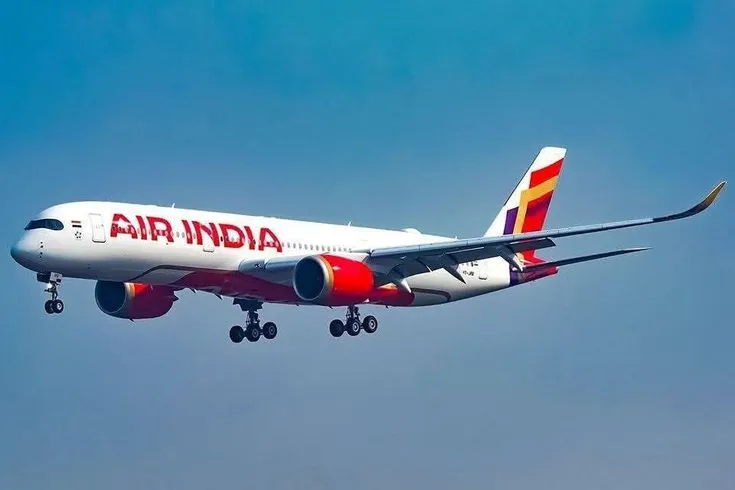
Significant Economic and Operational Impact of Pakistan’s Airspace Ban on Air India: A Detailed Overview
In 2025, rising tensions between India and Pakistan led Pakistan to close its airspace to Indian aircraft. This decision was taken around April-May 2025, especially after terrorist attacks in Kashmir’s Pahalgam, which caused numerous casualties. In response, both countries blocked each other’s airspace for their airlines.
This ban has heavily impacted Air India’s international flights. Flights that used to fly over Pakistan now have to take longer detours, increasing flight times by 2 to 3 hours. This has not only added to passengers’ travel time but also raised fuel costs by nearly 29%.
According to Air India’s internal documents, this airspace ban could cost the airline approximately $455 million (around ₹3,800 crore) annually. The airline is now seeking financial aid from the government to help offset these losses.
Which routes have been most affected?
Most long-distance flights to destinations like the US, Europe, and Canada used to fly over Pakistani airspace. Now, these routes take an extra 60 to 90 minutes on average, increasing costs and passenger fatigue.
Challenges faced by Air India amid these circumstances:
- Recovering from a recent plane crash in 2025
- Delays in new aircraft deliveries
- Rising fuel and crew costs
- Additional expenses and longer durations due to the Pakistan airspace ban
What are the possible solutions?
Air India has requested the government to negotiate with China for permission to fly over the Xinjiang region, which is a military-sensitive area but could significantly reduce flight distances and operational costs.
Though other southern and Central Asian routes are options, they often mean even longer and more expensive flights, making them less practical as permanent solutions.
Conclusion
The ongoing closure of Pakistani airspace is causing huge economic and operational strain on Indian airlines, especially Air India. The airline has urged the government for financial support and clearance for alternative, more efficient air routes. Given the limited and risky nature of airspace options over Pakistan and China, finding a long-term solution remains a significant challenge.