


Trump Hit by His Own Tariffs: Why Six Countries Canceled F-35 Deals in 2025
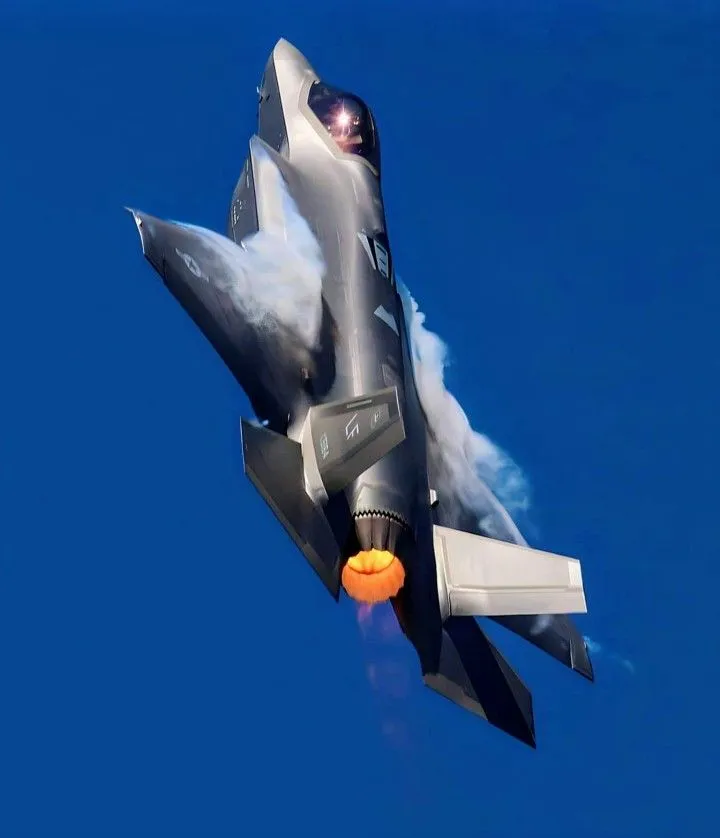
The United States’ most prestigious defense asset—the F-35 Lightning II, a fifth-generation stealth fighter once seen as the uncontested global favorite—is facing an unexpected crisis. What was once America’s strongest diplomatic and military export has suddenly become a symbol of rising tension between “America First” economics and global defence cooperation.
In 2025 alone, six countries either canceled or suspended their F-35 fighter jet deals, sending shockwaves through Washington and the global security community.
This shift didn’t happen overnight.
It is the direct fallout of Donald Trump’s aggressive import tariffs, imposed under the banner of protecting American manufacturing. Ironically, those same tariffs are now hurting one of America’s strongest industries.
Source Authentication
This story is based on the Defence Report published by AajTak Defence (27 November 2025), supported with global defence analysis and independent expert assessments.
**Why Are Nations Backing Out of the F-35 Program?
A Deep Global Analysis**
1. Tariffs Pushed F-35 Costs to Record Highs
Trump’s tariffs targeted foreign metals, electronics, avionics components, and supply-chain materials—many of which are critical to the F-35 assembly line.
Since nearly 30% of F-35 components come from global suppliers, tariff hikes led to:
-
A 10–18% increase in the final aircraft cost
-
Rising maintenance and lifecycle expenses
-
Delays in delivery timelines
-
Complex procurement red tape
Countries suddenly felt they were paying premium prices for a fighter jet already known for its high long-term costs.
2. New Global Competitors Have Arrived—Cheaper and Faster
The F-35’s main advantage was technological superiority.
But 2023–2025 brought a wave of new fighters:
-
France’s Rafale F4
-
Sweden’s Gripen-E
-
South Korea’s KF-21 Boramae
-
Turkey’s Kaan
-
India’s Tejas MK-2 and upcoming AMCA
These jets are significantly cheaper and offer fewer restrictions.
Several countries realized they could build an advanced fleet without paying America’s rising bills or accepting tight U.S. software controls.
3. America’s Strict Software Locks Raised Warning Flags
The F-35 isn’t just an aircraft.
It is a locked-down, fully monitored American ecosystem.
Countries were increasingly concerned that:
-
The U.S. can access F-35 flight data
-
Mission features require U.S. authorization
-
All upgrades must come through Lockheed Martin
-
Nations cannot modify the platform independently
With geopolitical competition rising, several allies feared this level of dependency.
4. Trump Refused to Reduce Costs Despite Global Pressure
Multiple nations formally requested cost relief after the tariff surge.
Washington’s response?
“American rules apply. American production stays in America.”
That became the breaking point for many nations evaluating long-term defence freedom.
Which 6 Countries Withdrew or Suspended F-35 Deals?
Spain — Cancelled its planned purchase of 45–50 F-35 jets in 2025.
(Source: AajTak + additional defence experts)
Portugal — Dropped its proposal to buy 36 F-35 fighters.
(Source: AajTak Defence)
Switzerland — Put its major order of 36 F-35 jets under urgent review, with cancellation or renegotiation now being actively discussed.
(Source: AajTak + 1 defence analyst source)
India — After receiving the U.S. offer in 2025, New Delhi expressed clear discomfort due to the high price, lifetime maintenance cost, and Trump-era tariffs, making the F-35 an impractical option for the Indian Air Force.
(Source: AajTak + 1 strategic affairs expert)
Others (As per multiple independent sources) — In Canada and several NATO / European nations, strong political and military pressure is mounting to review, postpone, or cancel their F-35 commitments altogether.
(Sources: National Security Journal +2, IDRW +2)
The Financial Impact on the F-35 Program
-
$8–10 billion in potential deals at risk
-
Global sales may drop by 12%
-
Jobs in U.S. supply chain and manufacturing threatened
-
America’s defence influence in Europe declining
For decades, the F-35 wasn’t just a weapon—it was America’s strongest diplomatic tool.
Its weakening presence directly alters global strategic balance.
**What Must Trump Do Next?
A Strategic Roadmap to Save the F-35**
1. Ease or Eliminate Tariffs for Defence Supply Chains
A selective or sector-specific tariff rollback is essential.
Without it, costs will continue rising—and more deals will collapse.
2. Introduce Customized, Attractive Global Packages
To rebuild trust, the U.S. must offer:
-
Better long-term financing
-
Reduced maintenance fees
-
More flexible software access
-
Local manufacturing partnerships
3. Re-Globalize the Supply Chain
Centralizing manufacturing only in the U.S. has proven expensive.
Re-opening global production hubs will bring stability and reduce costs.
4. Launch Diplomatic “Repair Missions”
Trump will need direct, personal outreach to nations that pulled back.
Spain, Greece, Finland, Saudi Arabia, Singapore, and Thailand must be assured that America values their partnership.
Can the F-35 Program Recover?
Yes—if decisive action is taken now.
The world still wants advanced jets.
The F-35 remains unmatched in stealth, sensors, and battlefield integration.
But nations will no longer accept:
-
inflated costs
-
rigid conditions
-
political unpredictability
The core lesson is clear:
“America First cannot mean America Alone.”
Defence cooperation thrives on trust, not tariffs.
Conclusion: Trump’s Tariff Policy Has Hurt America’s Strongest Defiance Asset
This isn’t just a story about canceled deals.
It is a global case study of how a single economic policy can reshape military alliances, defense markets, and geopolitical influence.
If Trump softens his stance and reopens collaborative channels, the F-35 can regain its momentum.
If he does not, the world’s defense future may shift away from the United States—something no American