


In today’s world, the internet is no longer a luxury—it is a basic necessity. Yet, millions of people across the globe still live in areas where internet connectivity is weak, unreliable, or completely absent. Remote villages, mountainous regions, forests, deserts, coastal zones, and border areas continue to struggle with poor network access.
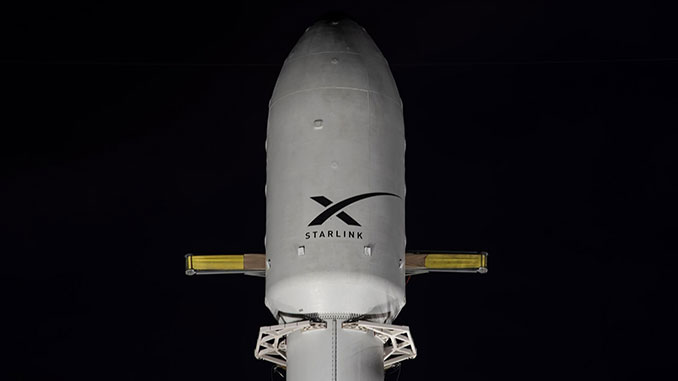
To solve this global problem, SpaceX launched the Star link project, and one important step in this journey is the Star link 15-11 mission.
When and Where Was the Star link 15-11 Mission Launched?
SpaceX successfully carried out the 160th Falcon 9 launch of 2025 in the early hours of December 10, 2025 (Wednesday).
-
Launch Location:
Vandenberg Space Force Base, California -
Launch Pad:
Space Launch Complex 4 East
Launch Time
-
3:40 a.m. (PST)
-
6:40 a.m. (EST)
-
11:40 UTC
The mission was broadcast live, with coverage beginning about 30 minutes before liftoff, allowing space enthusiasts across the world to follow the launch in real time.
What Was the Main Goal of This Mission?
The mission, officially called Star link 15-11, had a clear and focused objective:
Deploy 27 new Star link broadband internet satellites
Place them into Low Earth Orbit (LEO)
Strengthen SpaceX’s global satellite internet network
These satellites are designed to improve internet access in:
-
Remote and rural areas
-
Disaster-affected regions
-
Aircraft and ships
-
Coastal, mountainous, and island communities
Falcon 9 Rocket and Booster B1082: Why They Matter
The mission used SpaceX’s workhorse rocket:
Falcon 9
Booster B1082
This booster was making its 18th flight, having already supported major missions such as:
-
USSF-62
-
NROL-145
-
One Web Launch-20
This repeated use highlights SpaceX’s reusable rocket technology, which significantly lowers launch costs and increases launch frequency.
What Happened After Launch? (The Most Important Question)
Did the satellites reach space successfully?
Yes.
A few minutes after liftoff:
-
All 27 Star link satellites were successfully deployed
-
Communication with each satellite was confirmed
-
Solar panels deployed correctly
-
Satellites began moving toward their assigned orbital positions
This means the primary mission objective was fully achieved.
Was the rocket booster safely recovered?
Absolutely.
About 8.5 minutes after launch:
-
Falcon 9’s first stage, Booster B1082,
-
Landed safely on SpaceX’s drone ship
“Of Course I Still Love You”
in the Pacific Ocean.
This marked:
-
The 169th successful landing on this drone ship
-
SpaceX’s 548th booster recovery overall
Why Is Booster Recovery So Important?
Because reusable rockets:
-
Reduce launch costs dramatically
-
Allow rockets to fly again instead of being discarded
-
Make large-scale satellite launches economically possible
This is one of the main reasons SpaceX can launch hundreds of missions every year and still keep costs under control.
How Will Star link Improve Internet in Remote Areas?
Traditional internet depends on:
-
Mobile towers
-
Fiber-optic cables
-
Ground infrastructure
But in many regions:
-
Building towers in mountains is extremely difficult
-
Laying cables through forests is expensive
-
Infrastructure damage during disasters is common
Star link changes this completely.
It delivers internet directly from space.
Example
Imagine a farmer living in a remote hill village with only weak 2G signal.
With Star link:
-
A small dish is installed on the roof
-
It connects directly to satellites overhead
-
High-speed internet becomes available—without towers or cables
Internet reaches places where it never existed before.
How Does Star link Help During Disasters and Emergencies?
During floods, earthquakes, storms, or conflicts:
-
Mobile towers collapse
-
Fiber networks break
- But Star link continues to work because:
It is space-based
It does not rely on ground infrastructure
Example
In a flood-hit area where all networks fail:
-
Rescue teams can use Star link for video calls
-
Emergency coordination remains active
-
Drones and GPS systems continue operating
Will Star link Provide Affordable Internet for Common People?
This is a key question.
Current situation:
-
Internet is cheap in cities
-
Extremely poor or unavailable in rural regions
What Star link changes:
-
One satellite network can serve millions
-
Costs reduce as satellite numbers increase
-
Prices are expected to drop over time
Example
Just like smartphones were once expensive luxury items but are now affordable, satellite internet is expected to follow the same path—eventually reaching middle-class and rural users at reasonable prices.
Impact on Education, Healthcare, and Jobs
Education
-
Online classes
-
Exam preparation (IIT, UPSC, NEET)
-
Digital libraries and learning platforms
Healthcare
-
Telemedicine
-
Video consultations
-
Access to specialist doctors from cities
Employment
-
Freelancing
-
Remote jobs
-
Online businesses
-
Digital work from villages
Example
A student in a small village can prepare for national-level exams online—without relocating to a city.
Final Verdict: Was the Star link 15-11 Mission Successful?
Launch successful
Satellites deployed correctly
Booster safely recovered
No technical issues reported
Star link 15-11 was a 100% successful mission
Conclusion
The Star link 15-11 mission was not just another rocket launch.
It was a step toward a future where:
-
The digital gap between villages and cities is reduced
-
Internet becomes a basic service, not a privilege
-
A common person gains direct access to global opportunities
This is how space technology quietly reshapes everyday life on Earth.