New US Student Loan Policy: Major Shock for Medical, Nursing, and Health Students, Global Impact Expected | Effective July 2026
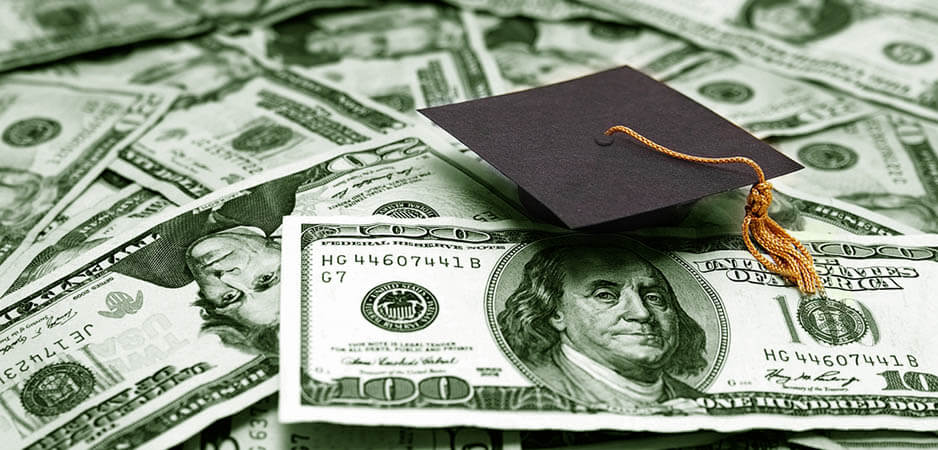
The recently introduced US student loan policy is not just an economic change — it has the potential to reshape the future of medical and healthcare education. The “One Big Beautiful” legislation, advanced by the GOP and supported by the Trump administration, presents a major challenge for millions of medical, nursing, and health science students in the United States.
The recently introduced US student loan policy is not just an economic change — it has the potential to reshape the future of medical and healthcare education. The “One Big Beautiful” legislation, advanced by the GOP and supported by the Trump administration, presents a major challenge for millions of medical, nursing, and health science students in the United States.
Starting July 2026, this policy will make medical education significantly more expensive, restricted, and financially challenging. Already among the world’s most costly programs, medical school in the US will now become even less accessible, particularly for students from low- and middle-income families.
What is the New Rule? | Simple Explanation
The US government has ended the open-ended Grad PLUS Loan program for graduate students. Under the new loan caps:
For Medical Students:
-
Maximum loan per year: $50,000
-
Maximum total loan over four years: $200,000
For Nursing, Occupational Therapy, Physical Therapy, and Public Health:
-
Maximum annual loan: $20,500
This regulation will take effect across the United States in July 2026.
Who Implemented This Policy?
-
The Republican Party (GOP)
-
The Trump Administration
-
The Federal “One Big Beautiful” Law
This is a national-level decision of the US government.
Why Will It Have a Global Impact?
Worsening Doctor Shortages in the US
According to the Association of American Medical Colleges (AAMC), the US could face a shortfall of up to 86,000 physicians by 2036. The new loan caps could worsen this shortage because:
-
Students from low- and middle-income families may not afford medical education
-
Talented individuals may choose other careers
-
Already expensive medical colleges will become even less accessible
Increased Pressure on the Nursing Sector
The US is already experiencing a nursing shortage. With the new annual loan cap of $20,500:
-
Advanced nursing programs could become unaffordable
-
Rural and underserved communities may face an even greater shortage of qualified nurses
Decline in International Students
Thousands of students from India, the Philippines, Pakistan, Nigeria, and other countries come to the US for medical studies. Due to:
-
Rising costs
-
Reduced loan availability
-
New Public Service Loan Forgiveness (PSLF) rules
-
Legal restrictions
Many international students may find studying in the US difficult.
Global Healthcare Education Trends May Shift
US education policies often set international trends. As a result:
-
Other countries may adopt stricter loan limits
-
Medical education costs could rise globally
-
Worldwide healthcare workforce shortages could worsen
How Students Might View This Policy
Negative Perspective
-
Medical education may become limited to wealthier students
-
Diversity in the healthcare workforce may decline
-
Students may feel forced to choose high-paying specialties over primary care
-
Rural and underserved areas may see fewer doctors
Positive Perspective
-
Loan caps might pressure colleges to reduce tuition
-
Institutions may streamline costs
-
However, experts believe significant tuition reduction is unlikely
Practical Solutions for Students
-
Study Medicine in Your Home Country
Countries like India, Pakistan, Nepal, and Bangladesh offer medical education at a fraction of US costs. -
Pursue MBBS/MD in Affordable & Recognized Countries
-
Germany (almost free)
-
Russia
-
Philippines
-
Georgia
-
Kazakhstan
-
Uzbekistan
-
China
-
Complete MBBS in Your Home Country and Take USMLE
This pathway remains fully open for international students seeking US medical careers. -
Focus on Scholarships and Grants
Many universities still offer need-based financial support to deserving students.
Will Education in the US Become Only for the Wealthy?
Experts warn:
-
With limited loans and no significant tuition reduction, costs will remain high
-
Low- and middle-income students will face barriers
-
The final impact may be reduced diversity in healthcare, which ultimately affects patient care
Conclusion
The new US student loan policy will make medical education harder, not easier. Low- and middle-income students may find their dream careers obstructed. Over the coming years, the US — and potentially global — healthcare workforce could face significant shortages of doctors, nurses, and other health professionals.
However, with careful planning, choosing the right countries, proper guidance, and routes such as the USMLE, students can still achieve their medical career goals.
FAQ –
-
When will the new loan policy take effect?
-
July 2026
-
-
Is the Grad PLUS Loan completely eliminated?
-
Yes, for new students
-
-
How much loan will medical students receive?
-
$50,000 per year, maximum $200,000 total
-
-
Will this affect international students?
-
Yes, it may reduce international enrollment and impact global medical education
-
-
Which countries offer affordable medical education?
-
Germany, Russia, Philippines, Georgia, Kazakhstan, China
-