US–Ukraine Geneva Talks: Peace Plan Breakthrough or the Start of a New Conflict?
The US–Ukraine Geneva peace talks have produced a refined framework aimed at stopping the Russia-Ukraine war, stabilizing Europe, and redefining future security arrangements. Both nations reported significant progress, though key issues with Russia remain unresolved. The peace plan includes territorial agreements, military limits, and major geopolitical compromises. European leaders welcomed the progress but warned that more negotiation is needed. With Russia silent and tensions rising, the world now watches to see whether these discussions lead to real peace or deeper conflict.
Geneva, Switzerland | Sunday Night (Between 8–10 PM, Local Time)
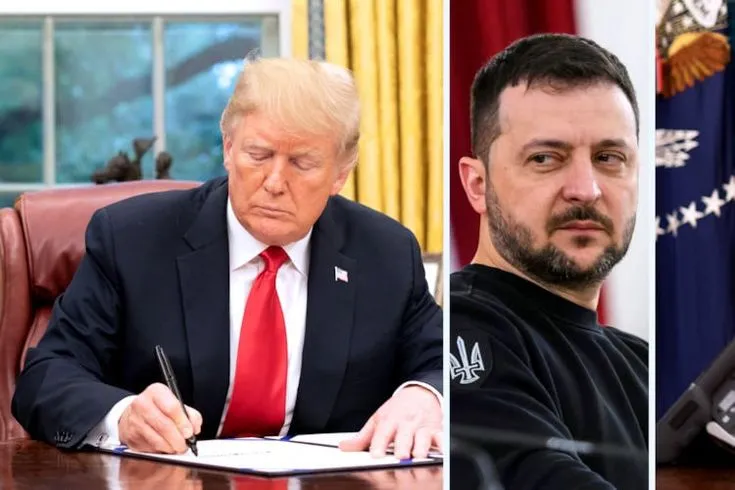
At the peaceful lakeside Intercontinental Geneva Conference Zone, American and Ukrainian officials held an important meeting that could shape the future of the Russia-Ukraine war.
Both countries confirmed that they have created an “updated and refined peace framework”, and more discussions will continue in the coming days.
This meeting is being seen as one of the most serious diplomatic attempts yet to stop the war.
What Was the Main Purpose of These Talks?
The core goals behind the Geneva discussions were:
-
To find a practical framework to stop the Russia-Ukraine war
-
To restore security and stability in Europe
-
To create a plan that the US, Ukraine, and Europe could agree on together
US Secretary of State Marco Rubio said:
“We made significant progress, but there is still work left to do.”
What Kind of Peace Plan Are the US and Ukraine Considering?
Leaked details of the draft peace plan suggest several major proposals:
1. Acknowledging Russian Control in Some Regions
Ukraine may be asked to accept that Russia will control:
-
Donetsk
-
Luhansk
-
Crimea (annexed in 2014)
2. “Freeze Line Agreement” in Southern Ukraine
Borders in Kherson and Zaporizhzhia may be frozen where the current battle lines stand.
3. Shrinking the Ukrainian Military
Ukraine’s army size may be reduced from 880,000 to 600,000 soldiers.
4. Ukraine Will Not Join NATO
Instead, Ukraine would receive unspecified security guarantees from Western allies.
5. Russia’s Return to the Global Economy
The plan suggests lifting sanctions and possibly allowing Russia back into the G7, making it G8 once again.
Will Russia Stop the War?
Right now, the answer appears to be no.
Russian spokesman Dmitry Peskov said:
“We have not received any official information from Geneva.”
This means Russia is not ready to accept the plan yet.
Russia wants the world to legally recognize the territories it has captured — something Ukraine calls completely unacceptable.
Ukrainian President Volodymyr Zelensky warned:
“Putin wants legal rights over what he has stolen. This is a threat not only for Ukraine, but for the entire world.”
Can Russia Become More Aggressive?
Yes. Several signs point to this possibility:
-
Russia wants international recognition of its captured territories
-
Russia wants to stop NATO from expanding
-
Russia wants to re-enter the global economy on its own terms
This means that even if a peace plan is created, the risk of future aggression remains.
Zelensky’s Comment — and the Real Question
Zelensky said:
“President Trump’s team is listening to us.”
But the real question is:
Is Russia willing to stop this war?
Until Moscow agrees, the peace plan will remain uncertain, regardless of US involvement or Trump’s pressure.
Europe’s Position: Supportive But Cautious
European countries responded with a mix of hope and concern:
-
UK: “Progress is significant, but unresolved issues remain.”
-
Germany: “European and NATO matters have been removed from the plan — this is a win for Europe.”
-
European Council: “EU unity is essential for any peace deal.”
Europe wants to ensure that no agreement is made over the heads of Ukrainians or Europeans.
Conclusion: Breakthrough or a New Beginning of Tension?
The Geneva talks mark an important step, but peace is still far away.
The US and Ukraine may be ready for compromise,
Europe supports negotiations,
but Russia is silent — and still fighting.
The next few days will decide whether the world is moving toward peace…
or a new phase of conflict.