Modi’s Anti-Terrorism Message and the New Perspective on India-U.S. Relations
Prime Minister Narendra Modi’s Diwali message to President Trump highlights India’s focus on counterterrorism and security cooperation. Beyond festive greetings, it signals a new chapter in India-U.S. relations, emphasizing strategic partnership, global security priorities, and India’s commitment to safeguarding its national interests.
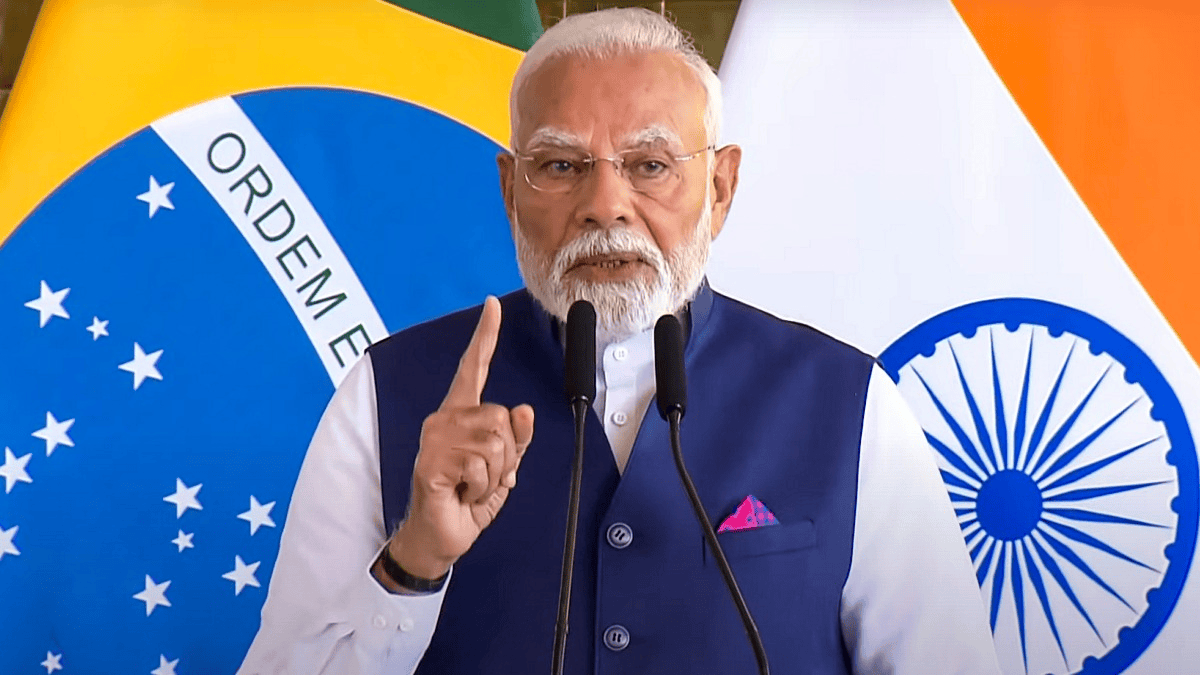
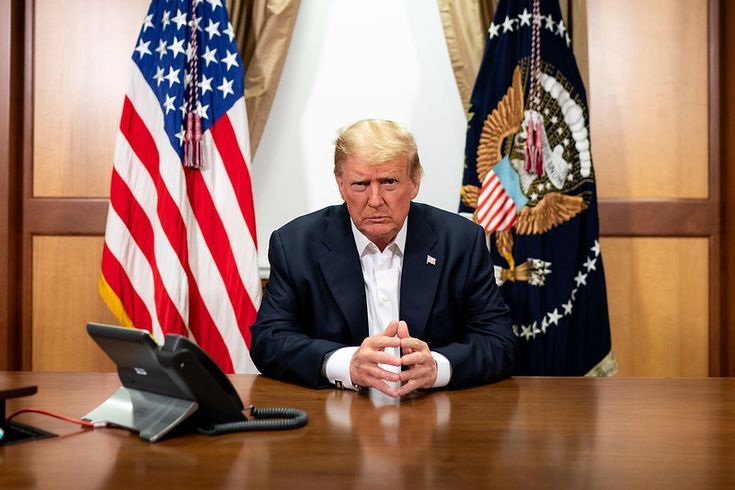
On October 22, 2025, Indian Prime Minister Narendra Modi expressed gratitude to U.S. President Donald Trump for his Diwali greetings. In his message, Modi emphasized the shared democratic values between the two nations and highlighted the importance of unity in combating terrorism in all its forms. This exchange underscored the evolving dynamics of India-U.S. relations, particularly in the context of security and counterterrorism cooperation.
Prime Minister Modi’s response to President Trump’s Diwali wishes was not merely a ceremonial exchange but carried a significant message regarding India’s stance on security and counterterrorism. By emphasizing the need for unity against terrorism, Modi subtly addressed concerns about the growing proximity between the U.S. and Pakistan. India has long maintained that Pakistan is a source of cross-border terrorism, and Modi’s message reinforced India’s commitment to countering terrorism without compromise.
Trade and Energy Tensions
While the Diwali message focused on security, underlying tensions in trade and energy sectors have been prominent in India-U.S. relations. In August 2025, the U.S. imposed a 50% tariff on Indian exports, citing concerns over India’s continued import of Russian oil. President Trump claimed that Prime Minister Modi assured him of India’s intention to cease purchasing Russian oil, a statement that Indian officials have not confirmed. Despite these tensions, both leaders have expressed a desire to resolve issues through dialogue and cooperation.
Diplomatic Significance
The Diwali exchange between Modi and Trump reflects the complexities of international diplomacy, where economic interests intersect with strategic alliances. Modi’s emphasis on counterterrorism cooperation highlights India’s priorities in its foreign policy, aiming to ensure that security concerns are not overshadowed by economic negotiations. This approach underscores India’s commitment to its strategic autonomy while engaging with global powers like the United States.
Looking Ahead
The evolving nature of India-U.S. relations, marked by both cooperation and contention, suggests a nuanced partnership. While economic and energy-related challenges persist, the shared commitment to combating terrorism provides a foundation for continued collaboration. As both nations navigate these complexities, the focus on mutual interests and strategic objectives will be crucial in shaping the future trajectory of their bilateral relations.
Conclusion
Prime Minister Modi’s Diwali message to President Trump was a diplomatic gesture that conveyed India’s firm stance on counterterrorism and its expectations for balanced relations with the United States. By prioritizing security concerns, Modi reaffirmed India’s commitment to its strategic interests, signaling that economic considerations should not compromise national security imperatives. This exchange exemplifies the delicate balance countries must maintain in international relations, navigating between cooperation and safeguarding national interests.
❓ FAQs: Modi’s Anti-Terror Message and India-U.S. Relations
Q1: What was the context of Modi’s Diwali message to President Trump?
A1: Prime Minister Modi’s Diwali message was more than just a festive greeting. He used it to emphasize counterterrorism cooperation and shared security priorities between India and the U.S. It signaled India’s focus on safety and strategic partnership rather than just trade or energy deals.
Q2: Was the message related to trade or energy agreements?
A2: Not directly. While trade and energy tensions exist in the background, the main focus of Modi’s message was security and counterterrorism collaboration, highlighting that these areas are India’s top priorities.
Q3: Why is this message important for India-U.S. relations?
A3: The message underscores India’s strategic autonomy and signals that India will not compromise on security concerns. It reassures the U.S. that India prioritizes counterterrorism, even amid economic or energy disagreements.
Q4: How does this relate to Pakistan?
A4: Given the warming U.S.-Pakistan ties, Modi’s message sends a clear signal that India will not tolerate cross-border terrorism. It’s a reminder that security issues remain non-negotiable.
Q5: Did trade tensions affect this message?
A5: While trade disputes, including U.S. tariffs on Indian exports, create underlying tension, Modi’s message shows that security concerns take precedence in bilateral relations. Economic issues are important but secondary to strategic priorities.
Q6: What does this mean for the future of India-U.S. partnership?
A6: Counterterrorism and security cooperation will remain central. Even with disagreements in trade and energy, the broader strategic partnership between the two democracies is expected to continue and evolve.
Q7: What lessons can India take from this interaction?
A7: India must continue to focus on strategic autonomy, strengthen security measures, and diversify its supply chains to reduce vulnerability. These steps will help India navigate complex geopolitical challenges effectively.
Q8: Does this message have global implications?
A8: Yes. It signals India’s commitment to global counterterrorism efforts and demonstrates its willingness to act as a reliable partner in maintaining regional and international stability.
Q9: Is this message limited only to India-U.S. relations?
A9: No. The implications extend to South Asia and global security, particularly in terms of strategic balance and regional stability against terrorism.
Q10: What does this reveal about India’s foreign policy approach?
A10: The message shows that India will prioritize security and strategic interests over economic pressures, reinforcing its stance as a sovereign nation that makes decisions based on national priorities.